INFO CENTER
Leading Manufacturer of Portable Outdoor and Travel Gear, Waterproof Bag
Language
Leading Manufacturer of Portable Outdoor and Travel Gear, Waterproof Bag
For manufacturers like us, who specialize in creating high-performance waterproof packs, the choice of material and construction method is everything. Let's dive deep into the fabrics and processes that create the impermeable protection you depend on.
The Core Materials: Engineered for Impermeability
Unlike standard backpacks made from polyester or nylon, which may only be treated with a light water-resistant coating, truly waterproof backpacks are constructed from inherently waterproof materials. The most common and effective ones are PVC and TPU-based composites, often in the form of laminated textiles.
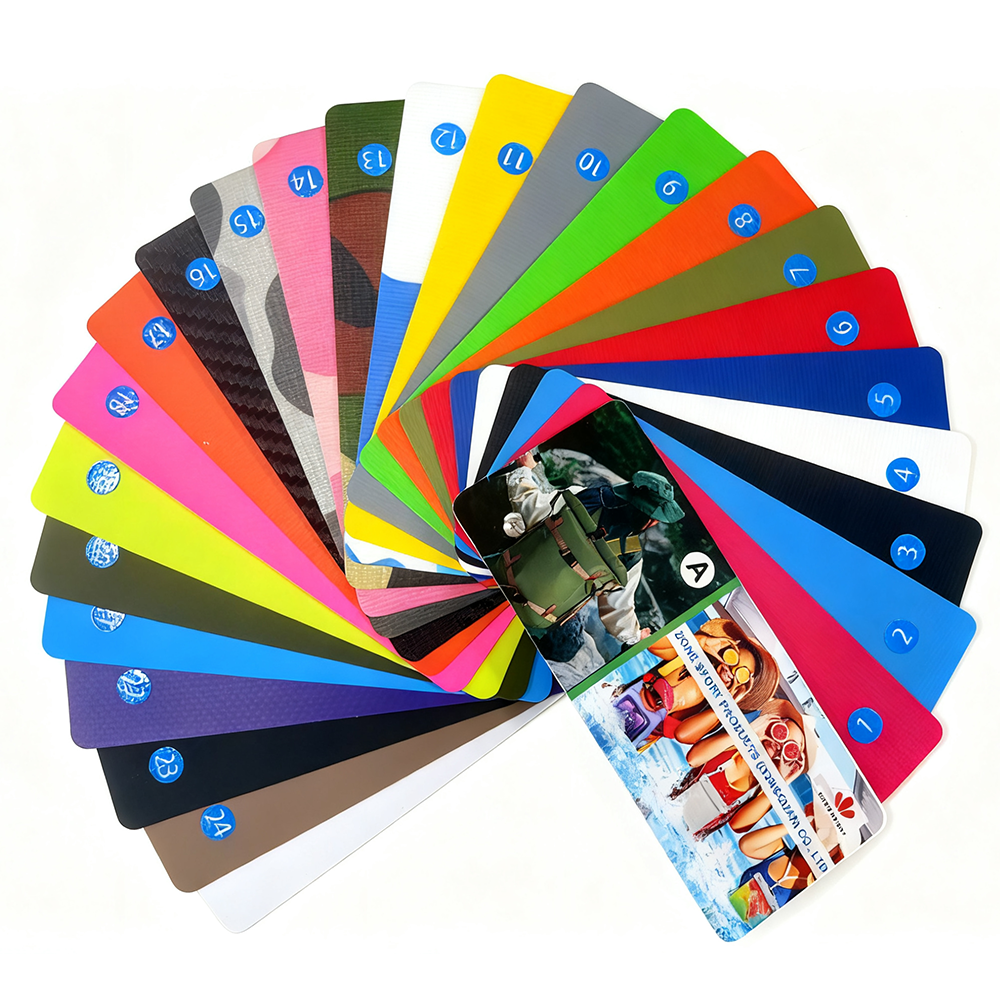
A classic choice for heavy-duty waterproofing, PVC tarpaulin is known for its exceptional durability and total impermeability.
500D PVC: This is a workhorse material in the waterproof industry. The "D" stands for Denier, which indicates the thickness and density of the fabric threads. A 500D fabric is constructed with thick, durable yarns, making it highly resistant to abrasion, tears, and punctures. The PVC coating is applied to a polyester base, creating a solid, welded shield against water. This material is ideal for rugged applications like industrial use, heavy-duty travel, and extreme outdoor conditions where absolute protection is paramount.
TPU is a more advanced, environmentally friendlier, and highly flexible alternative to PVC. It is renowned for its superb elasticity, cold resistance, and clarity. TPU laminated fabrics are often lighter and more pliable than their PVC counterparts.
420D TPU: This material combines a 420 Denier nylon or polyester base with a layer of TPU laminated onto its surface. The result is a fabric that is highly waterproof, yet more lightweight and flexible than standard PVC. TPU is also more resistant to UV degradation and extreme temperatures, preventing it from becoming brittle in the cold. This makes 420D TPU an excellent choice for technical packs where weight and flexibility are important, such as for hiking, cycling, and water sports.
600D Nylon TPU: This represents a step up in durability. The 600 Denier nylon base fabric offers superior strength and abrasion resistance. When laminated with a TPU film, it creates one of the most robust and reliable waterproof materials available. It withstands heavy abuse from sharp rocks, branches, and rough handling while maintaining a perfect water seal. This is the go-to material for professional-grade equipment, serious expedition backpacks, and tactical gear.
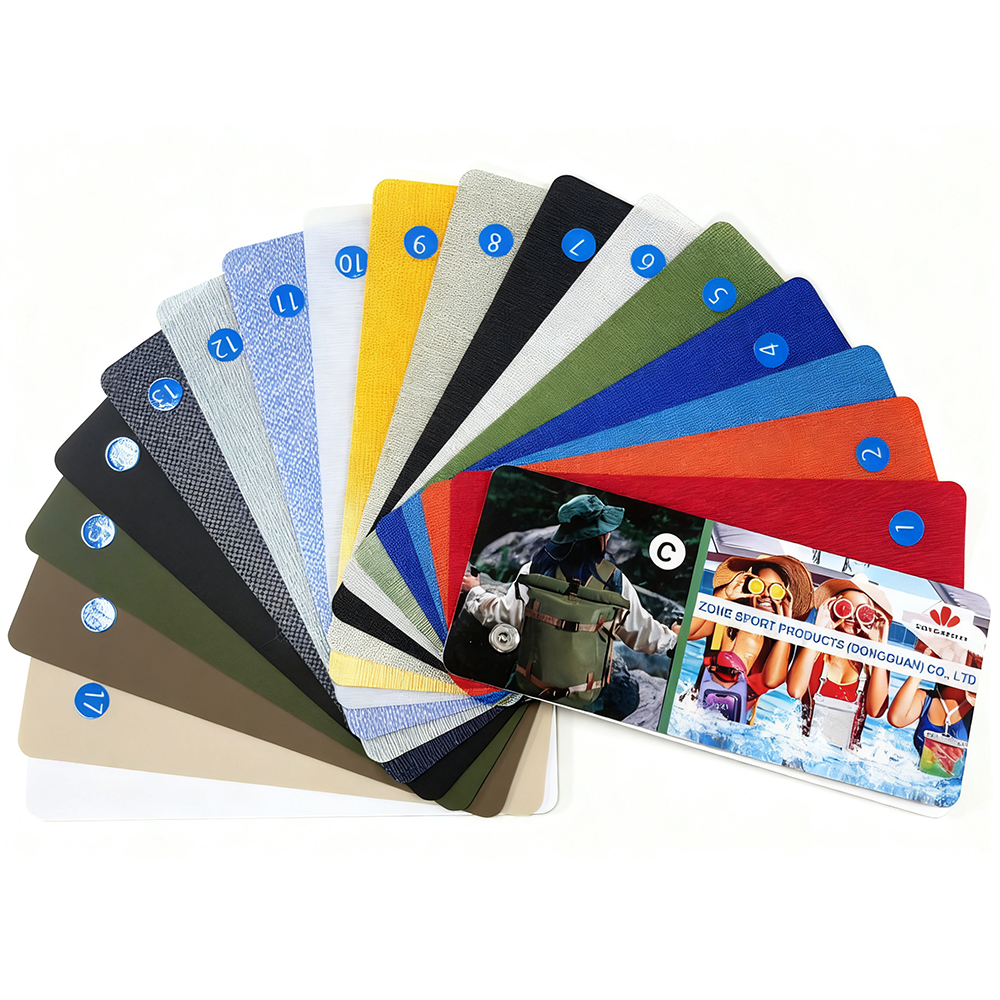
Key Difference: While both are waterproof, TPU is generally considered more premium. It is more flexible, breathable in some forms, and avoids the use of plasticizers (like phthalates) often found in PVC, which can make PVC stiffen over time.
The Manufacturing Process: Sealing the Deal
Having the right material is only half the battle. How those materials are assembled is what ultimately guarantees a backpack's waterproof integrity. The most effective method is High-Frequency (HF) Welding or Heat Sealing, with sewing playing a secondary, reinforcing role.
High-Frequency (HF) Welding / Heat Sealing
This is the cornerstone of manufacturing truly waterproof packs. The process involves using high-frequency electromagnetic waves to generate heat within the PVC or TPU material itself.
How it works: Two layers of material are pressed together between two metal electrodes. The HF energy causes the molecules in the thermoplastic coatings (the PVC or TPU layers) to vibrate intensely and generate heat. This melts the coatings at the seam point, fusing them together under pressure. Once cooled, the two panels become one continuous, monolithic piece of material with no holes.
The Result: The seam is as strong and waterproof as the rest of the fabric body. There are no needle holes to create potential pathways for water to seep through. This process creates airtight and watertight seals that are essential for submersible-level protection.
Sewing (Stitching) as a Supplementary Technique
While sewing is the primary method for standard backpacks, its use in waterproof backpack production is limited and strategic.
Reinforcement: Sewing is often used in conjunction with welding to add structural strength and durability to stress points. For example, a strap might be first welded for waterproofing and then stitched along its edges to handle constant tension and abrasion.
Finishing Touches: Non-critical areas or internal organizers might be sewn. However, in these cases, any stitch holes are immediately sealed over with a liquid waterproof tape or a hot-air tape that melts over the thread and holes, creating a sealed barrier.
Other Critical Components of a Waterproof Backpack
Waterproof Zippers: Perhaps the second most important feature after welded seams. These are typically aquaguard or waterproof coil zippers that have a rubberized or laminated coating on the back. They are designed to be covered by a storm flap (often welded on) that directs water away from the zipper track.
Roll-Top Closures: Inspired by dry bags, this design allows the top of the backpack to be rolled down 3-5 times and then buckled shut. This creates a long, tortuous path for water that is incredibly effective and allows for adjustable volume.
Materials Matter: Even the thread is specialized. Bonded nylon thread is common, as it is strong and expands when wet, helping to fill the needle holes in sewn sections that are then taped.
Applications: Who Needs a Fully Waterproof Backpack?
Water Sports: Kayaking, canoeing, rafting, and stand-up paddleboarding.
Adventure Racing: Where traversing rivers and mud is part of the course.
Hiking and Trekking: Especially in environments known for unpredictable and heavy rainfall.
Bikepacking and Cycling: Protecting gear from road spray and sudden storms.
Everyday Commuting: For cyclists and pedestrians in rainy cities who need to protect electronics like laptops and tablets.
Conclusion
So, what are waterproof backpacks made of? They are engineered from high-performance, laminated materials like 500D PVC, 420D TPU, and 600D Nylon TPU. However, the materials alone are not enough. It is the marriage of these fabrics with advanced high-frequency welding techniques that creates a seamless, impenetrable barrier against water. This construction ensures that whether you're caught in a drizzle or fully submerged in a river, your gear remains safe, dry, and ready for whatever adventure lies ahead. When choosing a pack, look for these material specifications and construction methods to guarantee true waterproof performance.
Copyright © 2026 Shenzhen Sanhu Industrial Co., Ltd All Rights Reserved.